The Mandrake Property

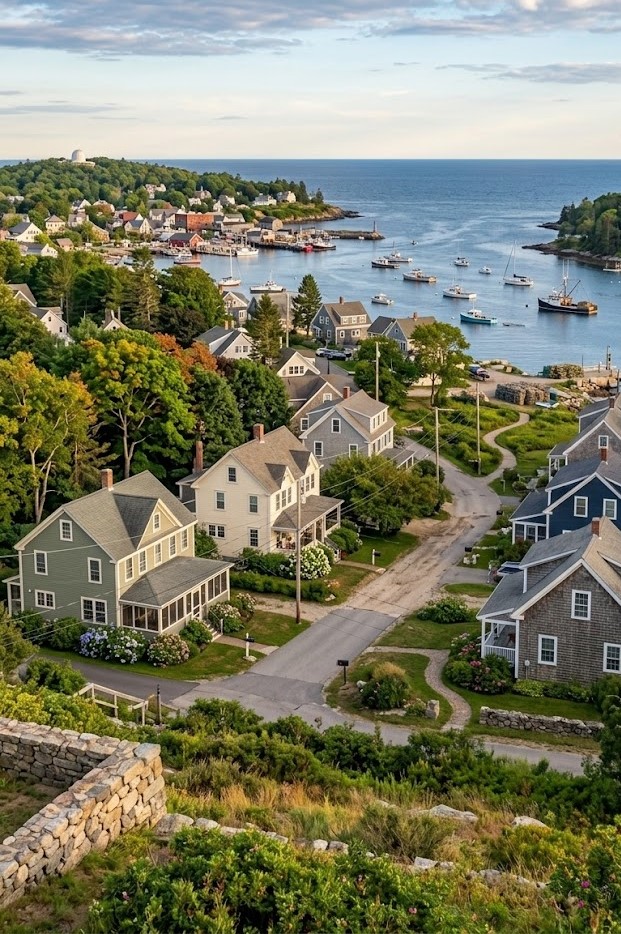
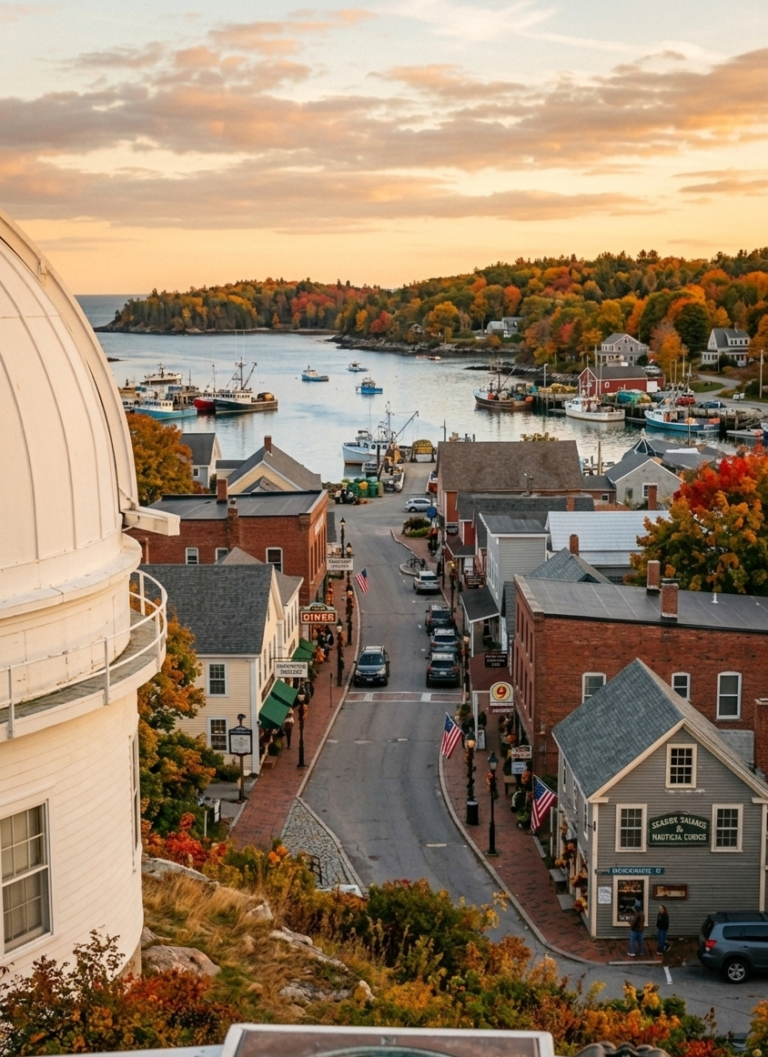
Originally it was called “The Pibbles Place” or “The Observatory on the Hill” by people in town, the property sits on a hill on the west side overlooking the town and the bay. It’s been there as long as people can remember, and is the town’s only historical site. The white dome of the observatory and attached annex can be seen anywhere in town above the trees. The mansion itself is the largest house in the town, and the plaque on the front gate still reads “Pibble’s Property, 1952”

Todd and I started coming up to the Annex in late July when we became friends with Charles after he moved in. I think I’ve mentioned it other places, but it was on a weekend that he just showed up at Mel’s Diner and Mel put him with us since it was busy. The friendship that followed just happened, and we started visiting him at the annex. It started out as study sessions, then coffee got involved, and then overnights, and it’s like our own private clubhouse.

The Annex is built right into the side of the observatory, and has an open kitchen and living room area. There’s a potbelly stove that keeps the entire place warm in the winter if you close off the observatory side, and there’s a bedroom down the hall.

Charles and Todd put in a bunk bed for Todd and I since we’re over so much, and I think that Charles wanted his bed back. When we’d stay, he would offer me his bed, and he and Todd would stay out in the living room. Now we just all bunk together, and no, there’s no weird love triangle going on. We’re just really good at being friends.

The kitchen area is small but functional. Honestly, the expensive coffee maker takes up the most room. I don’t even know how to use it. I just grab the presspot and put a kettle on the potbelly, or use the pour-over. There’s a toaster and a butter dish that has no butter in it, but Charles keeps it out because it’s a chicken shape that he got at a garage sale for fifty cents. He has a large table that kind of spills over into the living room, and from there, there’s a couple couches, an arm chair, coffee table, and some side tables.

There’s a TV, but we never use it, and it’s been collecting dust. Most of the time, we’re at the table or milling around the living room.

The observatory is a story all of it’s own. That’s why we wrote the books. I’ll just say that on the surface, it looks normal. There’s a control room, a telescope inside the silo, and a small shortwave radio room to the side of the observatory. Read the books if you want all the details.

I’ve never been in the mansion. It’s there. That’s all I can say. Charles says he only goes there to do laundry and heat things up in the microwave some nights, but more often than not, we’re at Mel’s, and that’s the best place to look if you want to find us one of these evenings.

King Crabber’s Pub – Damariscotta, Maine

A Place for Friends and Food

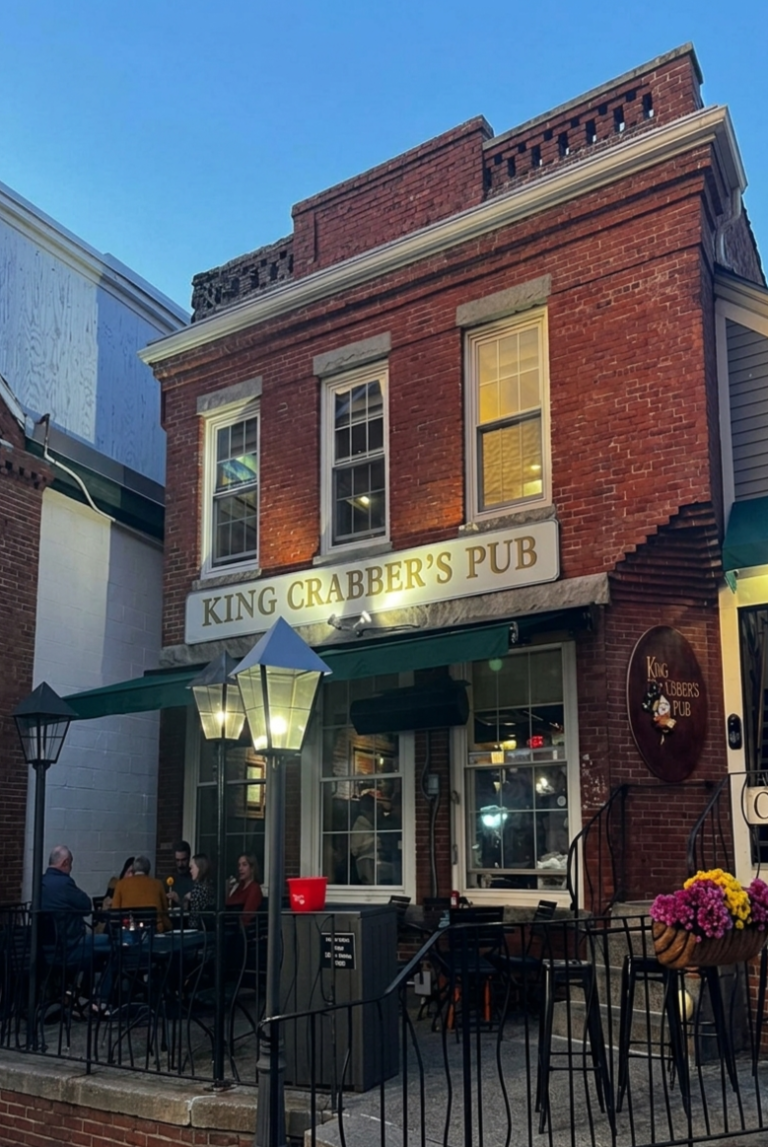
King Crabber’s Pub sits near the bridge, one block off Main in Damariscotta. I’ve been there a couple times, most notibly with Charles and Todd before we crossed the Portal. It’s a tall brick place that you can see from the road when you come down towards the river, the windows lit, and the place is warm and inviting as it sits against the dark water under the bridge.

This isn’t East Bay. It’s a different atmosphere. The kind of place that has fed the town long enough to know it’s patrons, and for the town to know the place.

Charles, Todd, and I came here one night after the Observatory Array wasn’t cooperating and we needed to clear our heads. Todd suggested it, and it sounded good to me as well. That was also the night we found out that Charles was hiding a bunch of expensive cars in the barn. He drives the Land Rover, and said his parents owned the others. I just wondered how rich you have to be to not make a big deal of those kinds of cars in your barn, but I digress.

King Crabber’s Pub: The Building

If you’ve never been inside, the walls are brick, and there are dark cherry floors. Low beams cross the ceiling. Iron hooks hold handmade mugs that look worn from actual use, not from decoration. A short rise of steps reaches the oyster bar. A few more steps lead to a small dining room set apart from the noise below.

The place carries the river in its air. Butter, char, and lemon come from the kitchen. Conversations stay low and easy. A chalkboard lists the oysters and the catch of the day in clear block print. The table by the front window has a view of the bridge lights over the Damariscotta River.

The Food

This is the best part. Seriously.

The crab cakes have a crackling crust and soft centers packed with sweet fresh crab. A little Old Bay and minced celery give a clean bite. A squeeze of lemon makes the crab taste even better. The bacon-wrapped scallops are big and just opaque in the middle, the bacon glazed with brown sugar and black pepper so it snaps and then melts. You get smoke first, then the sea.

The lobster carbonara comes with ribbons of fresh pasta coated in a silky cream and egg sauce, glossy with butter and flecked with cracked black pepper. Chunks of sweet lobster claw and knuckle meat show pink against the pale sauce, with crisp bits of pancetta, a scatter of chives, and a little lemon zest. The first bite is rich and briny at once.

The Mediterranean haddock is roasted until it just flakes, sitting in a shallow pool of olive oil with roasted cherry tomatoes, kalamata olives, capers, garlic, and curls of lemon peel. Each forkful picks up something different.

The barbecue salmon has crosshatch grill marks and a lacquer of house sauce, smoky and a little sweet with molasses and cider vinegar. The Caesar is crisp and cold, romaine coated in a garlicky anchovy dressing with shaved Parmesan and croutons that crack and then soak up the dressing.

The coffee comes in thick cups that hold heat well.

The Atmosphere

Our waitress was Alba that night. I remember her because she was really good at what she did. She set menus out, brought water, but most of all, she gave us space to talk, and when she checked in, she made sure we saw her approaching and could adjust. Oh, and she never oversold the deserts, although Todd was eyeing them all night.

The dining room upstairs is set apart from the noise of the pub below. This is where we sat, and where the food was good enough that nobody talked much for a while after the plates arrived, and we were all okay with it.

Todd chased the last tomato through the oil and wiped the plate with bread. Charles savored his dish. I saved the corner of the salmon with the most char for my last bite. That is the best thing I can say about a meal.

King Crabber’s Pub and the Book Series

The three of us drove down from East Bay on an October evening in Book 1, Charles Mandrake and the Resonance Array. No shop talk at dinner. That was the agreement. What happened instead was a long conversation about East Bay, about what it feels like to grow up somewhere, and what Charles was beginning to understand about friendship.

He said it plainly, sitting at the table by the bridge window with his coffee cooling: he had never had real friends before. Todd told him he brought “balance to the force”. I just told him he was our friend. That was true then. It’s still true now.

King Crabber’s Pub is where that happened.


A NOTE FROM THE AUTHOR – King Eider’s Pub in Damariscotta, ME

King Crabber’s Pub is fictional, but it was inspired by the real place. If you find yourself in Damariscotta, Maine, King Eider’s Pub at 2 Elm Street is worth the stop, and we thank them for being the kind of place that Anna, Charles, and Todd could become true friends.

Pier Street Market, East Bay, Maine

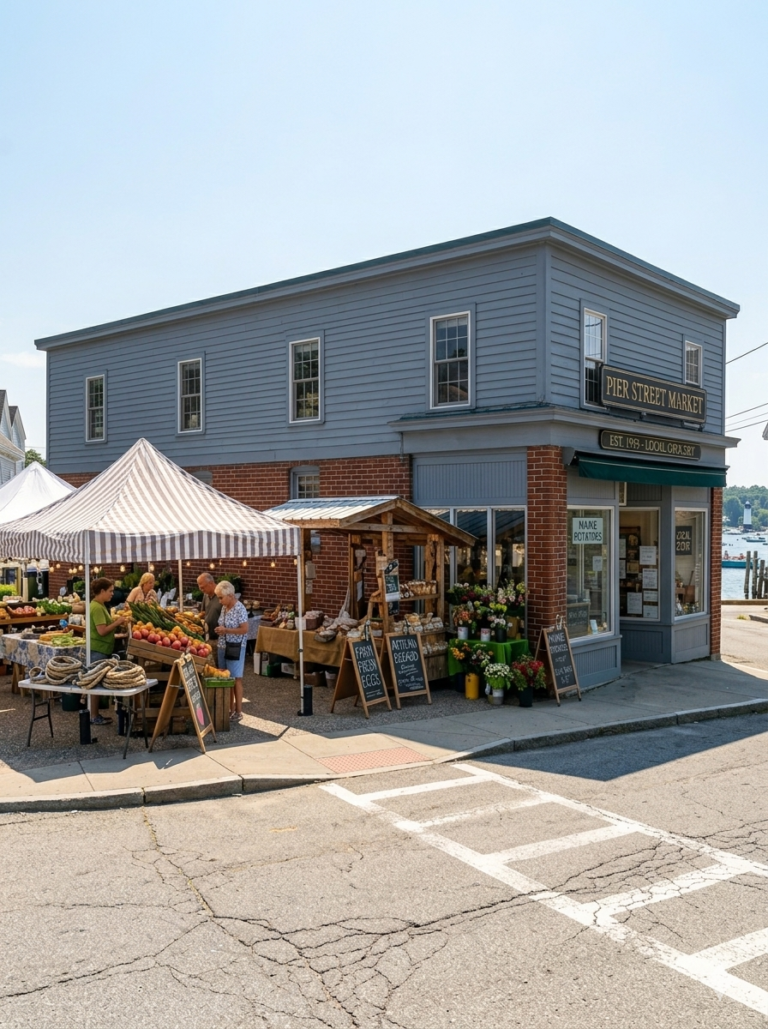
Pier Street Market is every bit a small town grocery store that you might expect to find in, well, a small town. Mrs. Beasley usually stocks it with things tourists come in looking for during the season, like Land ‘O Lakes butter, and Folger’s coffee, but during the winter, or if you look behind the national brands, there’s the good stuff that us locals prefer. If you move the butter to the left a couple inches, you’ll see waxed paper-wrapped blocks of butter with the Tawnyberry Farms name on them. 

At the bakery, just ask for Mrs. Johnson’s pies rather than the mass produced stuff. And when things are in season, you will almost always find local produce.

Todd worked the market as a first job, and stayed there until, actually, I don’t think he ever formally quit, not that I think about it. He still works there when Ken Beasley gives him a call to see if he wants to help with an unload or just to pick up some hours. I’ve picked up hours there too, on and off, but most of the time, if I am working, I waitress at Mel’s.

Charles has a small list of must-haves that the Beasley’s always keep in stock for him. Bagels and cream cheese, Misty Brook Bacon, eggs, milk, and Mrs. Johnson’s frozen Pot Pies are his favorites. Everything else, he just picks from what’s available. Oh, yeah, and the Carrabassett coffee. The Beasley’s order a case at a time just for Charles these days. Did I mention how much coffee the three of us go through?

There’s a farmer’s market during the summer right next to the building. The space is part of the parking lot, and there’s only room for six stalls, but often, the whole parking lot will be filled with tents during tourist season. You can find little knick-knacks, pocket knives, wood-carved toys, and other things if you come on the right weekends.

If you ever need more than a small town grocery store like the Beasley’s Pier Street Market offers, there is a Walmart out Pike road about six miles too, but we hardly ever go there. Everything you need is right in East Bay if you’re not picky.

Dockside Salvage

A Packrat’s Dream

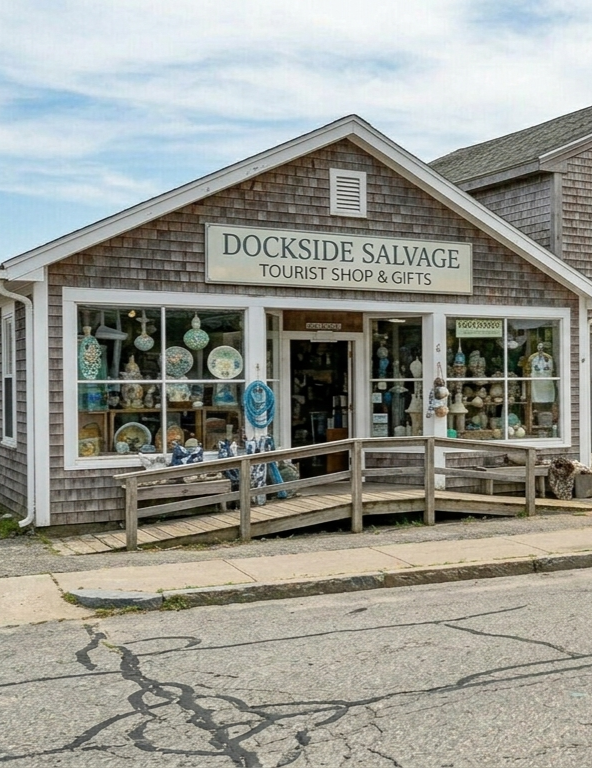
Dockside Salvage is probably best described as a “packrat’s dream shop,” at it sits on dock 9. You get there by walking down Pier Street from the three-way split at Mel’s, past the market. Our town is small enough that you can see Dockside standing at the doorway of Mel’s.

The place was originally one of those small boat repair places, but when most of the business went south to Boothbay, many buildings like that were abandoned. We slowly became a tourist town, and people like Ira Finch purchased the empty places and made them useful again.

From the outside, Dockside looks a lot like the other small warehouses and boat repair places here. There’s the area where boats can be brought in and worked on. This is where Finch now keeps his mounds of packrattish stuff. Todd and Charles often work after school there moving and organizing things for him, and he likes having the company.

There’s a small shop that is attached to the warehouse. I guess it used to be a bait and takle shop, but Finch turned it into a tourist place where he sells the things that he’s salvaged and found.

When you walk into the shop, the first thing that hits you is the smell of his pipe tobacco. He is known in town for smoking Cornel and Diehl’s Autumn Evening during the winter, and the whole place smells like maple syrup and pancakes. If it’s during the summer, he changes out for Elizabethan, which reminds me more of a forest-y smell. There’s always coffee brewed, and if a tourist buys one of the “East Bay” mugs, he’ll offer to fill the cup for them.

If you move to the back wall of the shop, there’s bins with all sorts of small things you never knew you wanted. The bins are marked, but unless Charles sorts them, there’s no rhyme or reason to what’s in them. You might find an old compass, maybe a switch or knob off a console, little lights, things that have no real value mixed in with things you might expect to pay a pretty penny for. Finch never seems to care what something actually costs, he prices things according to how generous he’s feeling at the moment.

I don’t end up at Finch’s as much as Todd or Charles, but I do like going on the evenings that he has a fresh catch from one of his friends, and decides to grill and tell stories in the evening.

Finch is like a father to Todd. For all the years that I have known him, Finch has always been there for him. Sometimes he showed up for the school plays Todd was in. He came to the parade every year that Todd was the school Mascot. Many times he and Todd went out into the woods hunting or doing man things for the weekend.

The last thing that I’ll add here is that if you ever stop in at Dockside Salvage, never get Finch started on his old fishing stories. It will be dark, you’ll have had whatever fish someone brought by or he caught that day, and it will be well after dark before you leave. Finch takes his time, like time was completely irrelevant to him. That’s who he is.

Where is East Bay, Maine?

A Town That Feels Real

East Bay, Maine is a fictional coastal town and the primary setting of the Charles Mandrake Compendium, a portal fantasy book series. If you searched for East Bay and found nothing, that’s by design. East Bay doesn’t appear on any map, but it was built to feel like it should.

East Bay sits on the Maine coast, and is the kind of place where the tide sets the schedule and everyone knows everyone else’s business. The town keeps time by weather, seasons, and routine. Summers bring tourists. Winters belong to the people who live here.

It is the sort of town that exists in the spaces between the places you’ve heard of. Boothbay. Bar Harbor. It’s a quieter place, with a diner that opens before dawn and closes when the last customer leaves.

The harbor reflects the lights at night in ripples. Lobster boats ride low out by the floats. Gulls search for tourist’s food. Beyond the breakwater, gray lines of rain drag across the bay on certain afternoons. The flag rope clicks against the pole at East Bay High when the wind comes off the water, and the air carries a chill on some afternoons when the tide turns.

The People of East Bay

In the book series, East Bay is less about its geography than its people. Harold, Alma, and Ruth split the morning paper at Mel’s (sports, obits, everything else) and argue quietly over their coffee. Mr. Vale takes honey instead of sugar because he says sugar ruins the taste. Mrs. Parker at the library knows every regular’s reading preferences without being asked, and keeps the latest fantasy novels back for the right person.

Ira Finch runs Dockside Salvage at the end of Pier 9. He opens when he finishes his coffee, not at a posted hour. He won’t sell you a part that’ll give you trouble. If it does, he replaces it or gives you your money back. He keeps a crate of electronics for kids who like to build things.

The knife sharpener at the Saturday market on Pier Street will barter with locals and sharpen for free, but is strictly cash with tourists. Paige and her brother Eddie show up some Saturdays with fiddle and mountain dulcimer. Kids build cardboard cities under the apple crates while their parents catch up on whatever the town is discussing this week.

If the power goes out, the porch chairs come out and someone walks a thermos of coffee down the street.

Key Locations in East Bay

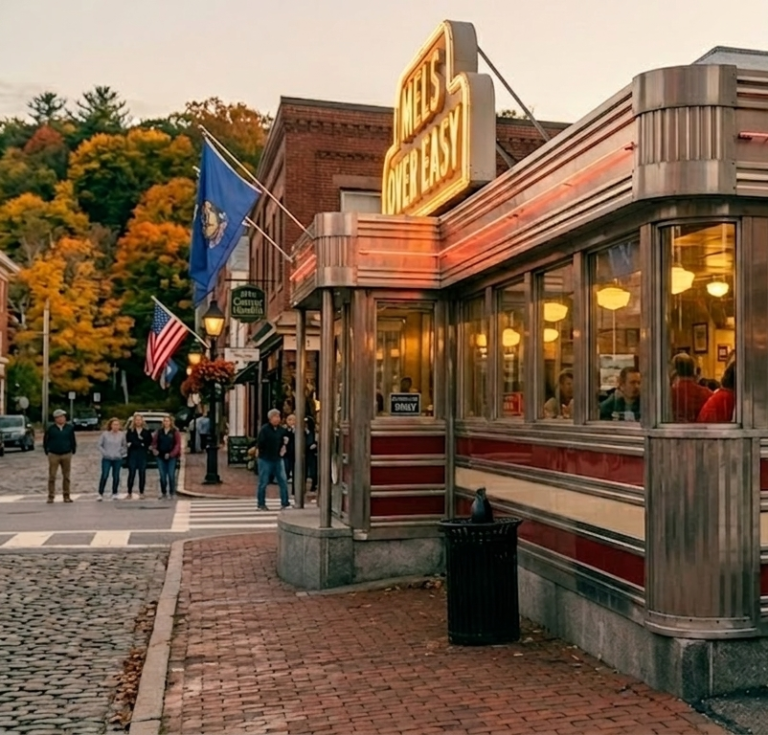
Mel’s Over Easy: The diner at the split where Main and Harbor meet. Mel knows your order by the way the bell rings when you come in. She keeps honey under the counter for Mr. Vale. During storms she turns the weather radio up and the whole diner goes quiet. If a kid walks in with wet sleeves, she throws them a towel. Danny works the grill. Louis, her fourteen-year-old, buses tables. The corner booth in the back has been informally claimed by the same three people long enough that no local tries to sit there.

Pier Street Market: Open Saturdays until dark or the weather comes in. First trucks with produce arrive before six. The fish table sits last in the row because of the drip. Stand there long enough and you hear most of the town news in ten minutes.

Dockside Salvage: Bay doors open to the street on delivery days. The place smells of wood, salt, tar, and machine oil in a way that never quite goes away, even in winter. Shelves hold coils of rope, buckets of hardware, and plastic bins with handwritten labels. A framed nautical chart of the bay hangs behind the register, its faded lines making the harbor look like something out of an old story.

The Pibbles Place: A property on the hill above town that locals have written off for decades. The observatory on the grounds is the reason Charles Mandrake can’t leave it alone. Built by Myles Pibbles, who vanished in 1969. East Bay filed it under tragedy and moved on. Charles was curious.

The Observatory: The dome is visible over the treeline from most of the town. Older residents remember the night something went wrong up there, how the sky lit up and the sound rolled out over the bay like a storm that never showed on any radar. The dome has been fused shut since. The Pibbles Resonance Array, 1966, is stamped on the center control panel in bold black lettering.

East Bay Through the Seasons

East Bay in summer is boats and plastic bins of blueberries and people who forget how cold Maine water is until they step in it. The harbor looks bright then, sunlight on every hull, diesel in the air meaning work to the people who live there and local color to the ones who drove up from away.

Fall is the best time of year. Mrs. Johnson’s apple and pumpkin pies at Mel’s. The library book sale runs the last two weeks of October. Tawnyberry Farms has apple picking, hot cider, donuts, and hay rides out Pike Road.

Winter is mooring balls and open water and the kind of cold that moves in and decides to stay. Fireplaces stay lit. The plow guy gets paid in cash at Christmas.

Spring flirts for a few days and then, as the Farmer’s Almanac notes, shows up properly a month and a half later. Trap stacks line the docks, and the winch sings the same tired song hauling them in come October.

East Bay’s Relationship to Skelderheim

East Bay matters to the series because it is the anchor. Whatever happens in Skelderheim, the parallel world accessible through the Pibbles observatory, the three main characters carry East Bay with them. It is the place they come from and the place that shaped them before any of it began.

The observatory on the hill above town is the bridge between the two worlds. It connects a small coastal Maine town to a vast, steppe-like continent called the Central Expanse. The gateway does not announce itself. It sits behind a locked gate at the end of a path through the trees, in a building most of the town has avoided for fifty years.

Why East Bay, Maine?

The series needed a place that felt lived-in before the first page. Maine’s coastal towns carry that quality, the sense that the land has been there long enough to have opinions about the people on it. East Bay is fictional, but it was built from that feeling.

If East Bay feels real enough that you looked it up, that was the intention.

The Charles Mandrake Compendium begins in East Bay with Book 1, Charles Mandrake and the Resonance Array. The town appears throughout the series as the grounding point the characters return to, in memory and in fact, regardless of where the story takes them.

Mel’s Over Easy, East Bay, Maine

Mel's Over Easy

It’s one of those places in a small town where people gather. In the early hours of the morning, it’s the fishing boat and dock workers along with the retirees that get up ridiculously early. The coffee here is always fresh no matter what time you stop in, and if you’re here in the winter time, the place is where everyone goes to warm up from the cold. The door even has a little bell that jingles when customers come in.

For Charles, Todd and I, it’s our spot. Well, It was mine and Todd until Charles moved into the observatory. Mel sat him with us and our duo became a trio almost overnight.

Mel’s in her thirties. She was born in Philidelphia, and moved to East Bay with her parents when she was five. She said her dad bought the place for a good price after working the docks for a few years, and it’s been in the family ever since. She has a kid that’s a little younger than us, Louis. He works in the diner after school when homework isn’t too much. The labor department tried going after Mel for him working, but Gracie Pibbles, Myles’s daughter represented Mel in court and won. Louis isn’t on payroll, he’s family, and he was just helping his mom out. They couldn’t touch him.

Danny’s the other half. Not that Mel ever claims their together, but he’s the guy at the grill. He doesn’t talk much, but every now and then, you can hear him singing old fishing songs in the back as he works. The crazy thing is that it doesn’t seem to matter how many people or orders there are, he get’s it right. Every. Single. Time.

Mel’s Diner, as we locals call it sits at the three-way intersection on the south end of town. Our town is only two miles or so, and everyone walks around. It sits right across from Pier Street Market on the bay-side of the street, and near the library, civic center, and city hall on the other.

Todd loves the meatloaf at Mels. I like the patty melts. Charles gets Charles things. The coffee is free, and we’re thankful for that.

We sit at a four-top in the back next to the bathrooms. It’s almost always open because tourists don’t want to sit next to the bathroom, and have a view of the side of the next shop. We’re locals and don’t care. Mel put in a jukebox a few years ago. Louis keeps finding good records on EBay. I found that I like the Dropkick Murphy songs, but they’re not what I’d normally listen to. They’re just right for some reason in Mel’s. 

Evenings at Mel’s are usually students eating and studying, mixed in with locals and tourists. When it’s busy, us kids will either just jump in and help, or get our food to-go if we have to. That’s kind of what local life is like in a tourist town.

– Anna Ko