Building a Fictional Town Site that Feels Real
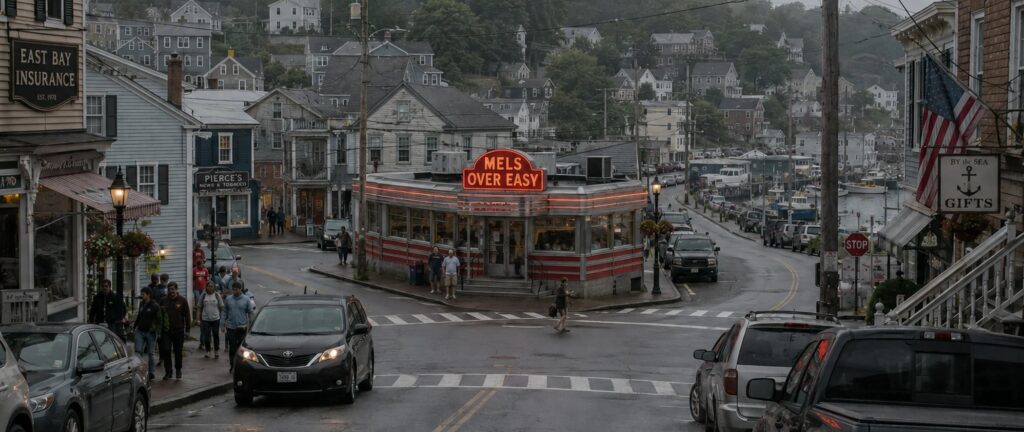
The East Bay Maine site started out when I decided that I was going to write Charles Mandrake, Book Zero, “East Bay.” The original thought was that I was going to write the origin story for the Trio, Charles, Anna, and Todd, but the project took an unexpected direction on its own.
The Premise Behind the Website
The first thing I instinctively knew came from the experience I have in marketing and development. This site had to feel like it was a town’s website, and I did about six hours of research on small town websites. I found that most of them are either run by the city government and completely put-you-to-sleep boring, or they’re run by an organization that has no idea what user experience is, or what people actually find interesting.
Creating The Site Vision
Before I did anything, I created a vision of what the site is in my mind. That’s what I did for all these sites. I find that creating this statement really helps to keep everything focused on the overall site purpose and goal. Without one, it’s very easy for the intent to slip, or the function of the site to drift into something you never intended.
It really only takes five or ten minutes to write. Faster if you’re an author and web developer. Took me three or four minutes to come up with this:
East Bay Maine, as a site and entity within the Mandrake world, is first and foremost a place to visit, stay, and live.
It’s a place where exciting things happen within the context of a small coastal tourist town, but stepping back, even the excitement isn’t an epic adventure.
It’s a dog escape. It’s a sale on pies. It’s Todd needing to be in two places at once.
East Bay is a way of living that’s resisted some of the modern advances, yet fully embraces others in its own awkward way. The people there have always been there. Very rarely, does anyone ever leave. Once you come, you just stay because it’s where you want to live.
How To Build a Town's Community Site
So, I’m not going through the exact nuts and bolts of setting up a site from a technical aspect as much as talking about the thought process that went into it here.
The first thing that came to mind was that the town of East Bay is small. Two miles North to South, and a mile inland. There’s about 3,000 residents year-round, and it’s supposed to feel like a little coastal town that got lost in time to some extent.
The first decision I came to was that the site wouldn’t have been built by the city government. It’s too small, so who has the time and resources to create a town website?
The obvious choice was the kids at the high school were probably called in to at least advise on what the town should do. Then I thought, someone on the council should just suggest that the kids do the site. That clicked. Mr. Gregory, who doesn’t appear in the Mandrake books, became the Science teacher and Afterschool Tech club advisor, and his group of club members built the site.
Immediately I put that line on the site’s footer. Even before I really had the site theme built out.
“Built by Mr. Gregory’s Afterschool Tech Club 💪 — GO LOBSTERS!”
Well, ok. I added the “go lobsters” after I created the High School’s page. I figured that since the club was building the site, these kids would naturally put the high school on the top menu, and create the most gloriously awkward page on the site.
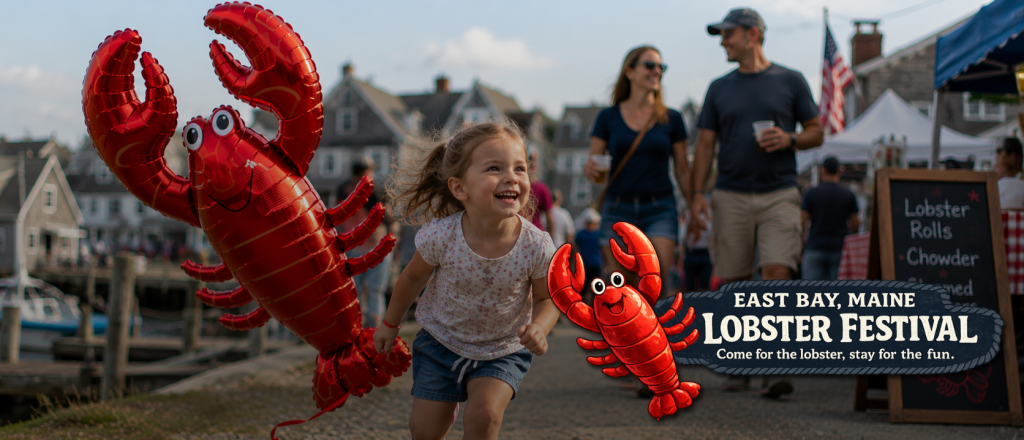
It actually started with the mascot, Lobby the Lobster. Maine. Lobsters. Right. The homecoming image for that page was hilarious and perfect.
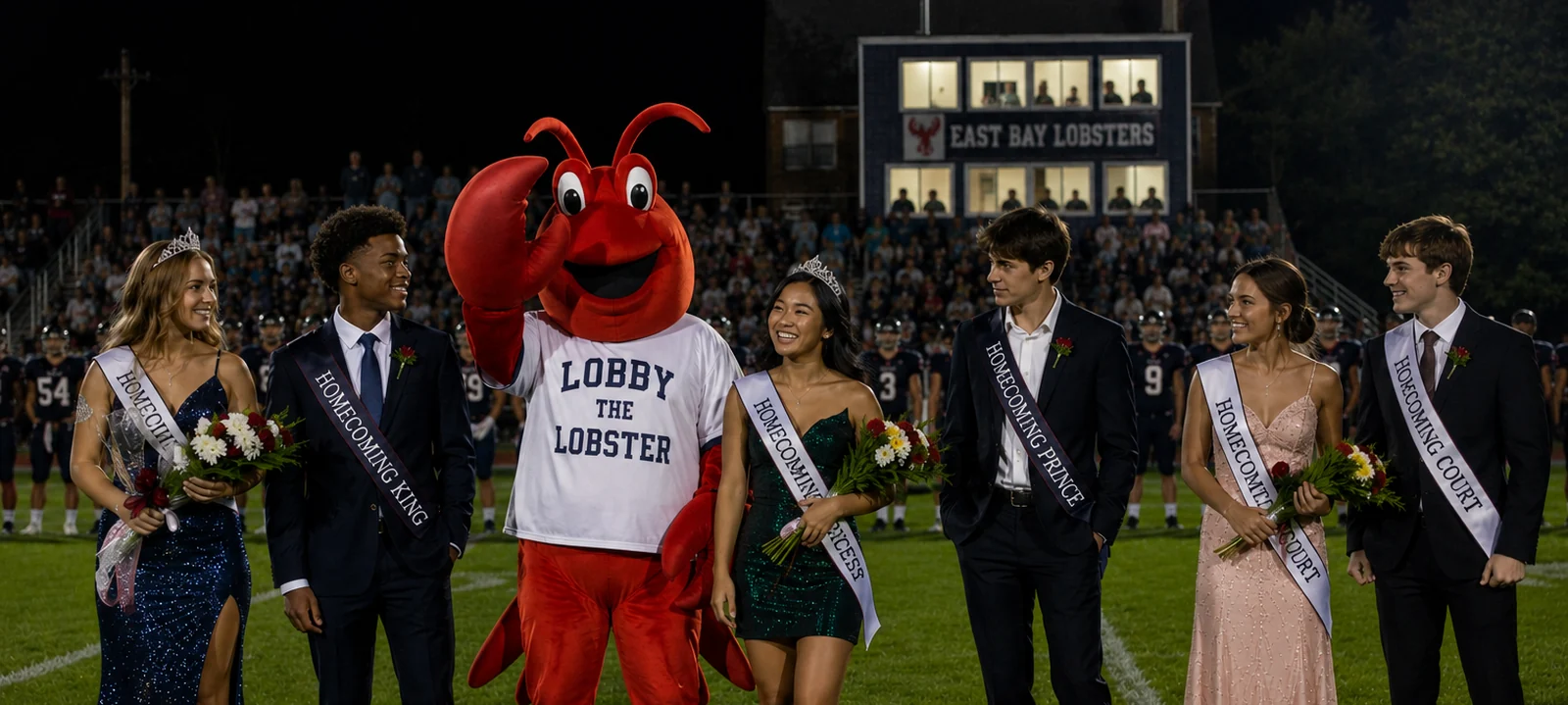
Then I had the idea that Principal Scott, also new to the site, and not in the books, would be completely boring with no soul. His message on the page is completely boilerplate and lacks any personality on purpose.
Sports underhandedly dominates the page, as it does for many high school sites I found during research.
The clubs are humorous and sad at the same time. The botany club having one member had me cackling in front of my computer when I wrote that one.
Finally, the tech club gets its byline at the bottom, and yes, Anna and Todd are part of it.
Making the Town Feel Real
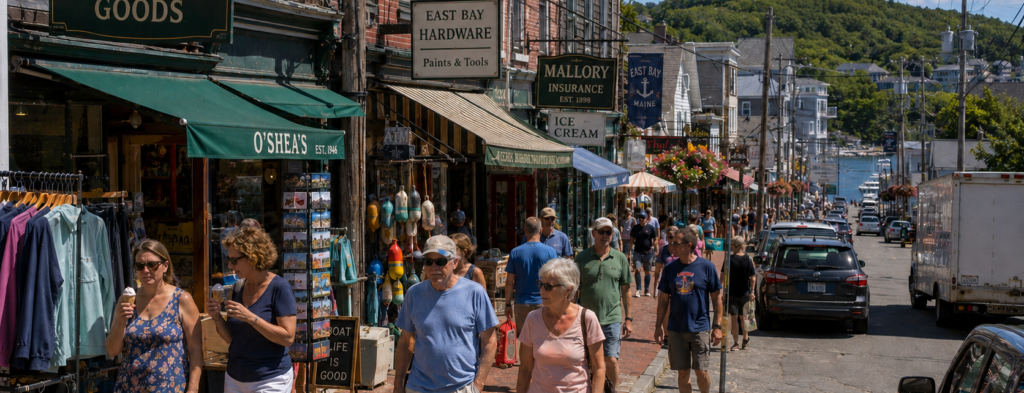
I realized as I was building the homepage that if I wanted the town to feel real through the website, I had to consider the site as its own book, of sorts. I wasn’t building a town site as much as I was building the story.
I took a couple days to really think about what that meant. I knew all the parts of building the components, like the tourism pages for visiting and events. I’ve looked at enough of those kinds of sites to know instinctively they needed to be there, but that isn’t enough for a site to feel real to the person that is browsing it.
At best, the user pokes around the site and thinks, yea, it’s a site, and I understand what is going on here.
The difference is that I need the reader to come to the site and feel the town’s energy. So I took the same approach that one might use in writing books: Each part of the site tells a story or contributes to an arc.
The town feels alive because the reader, through the pages and news posts, learn about the characters and their preferences. What makes it hold together, though, is the voice consistency for each character. Anna sounds like Anna on the first news article as much as the 44th. Todd just feels like Todd.
But the site allowed me a freedom that I only realized as I built the content.
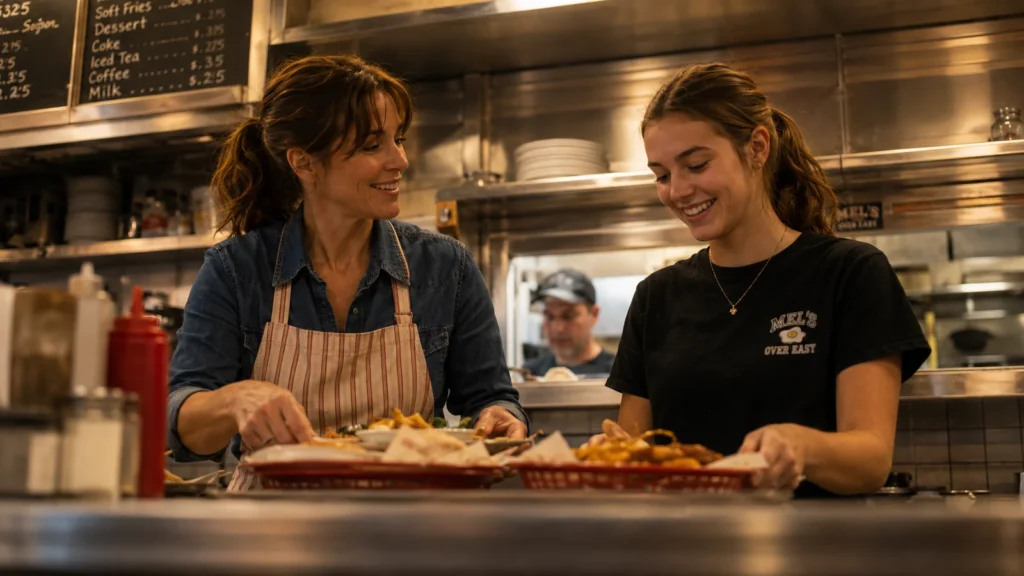
Characters like Finch and Mel became deeper and more complex than they had in the book. I gave them new preferences, like Finch’s penchant for pies, and Mel’s “Den Momma” personality toward the kids in the town.
East Bay's 2-Way Radios
Then the two-way radios showed up. The town runs on the radio system. It’s kind of the lifeblood of the community. I remember vacationing in Frankfort, Michigan, one year and noticed that all the shop owners and a few of the kids had radios for fast communication. I brought that into the story, if you will.
On the site, everyone keeps the conversation going on the two-ways. Community runs on Channel 12. Food and Beverage on six or seven. Town hall is always on channel one.
This never showed up in the books. I hadn’t thought of it at the time because East Bay served as a location, not as its own character.
The radios give the site and town a dialogue continuity that wasn’t possible without them. I’d tried using mobile phones, but it just didn’t feel dynamic enough. I wanted the town to feel like everyone knows everybody else. The radios made it possible in a spectacular way.
Character Continuity
I had to consider that the site would be visited by two types of visitors:
Those that had read the Charles Mandrake books and the people that stumbled on the East Bay site without knowing about the books.
Anna, Todd, Finch and Mel show up across the entire series.
The trick is that the characters must stand on their own for a new person, but they also have to feel exactly right for the reader that came in after reading the book series. I had a choice to make, and it shaped the entire East Bay site.
Site Timeline
A reader that has no idea that the Charles Mandrake story exists would have a very hard time understanding Charles without reading the books. I tried putting him in, but he didn’t feel right.
Then I also had to consider the timeline: On-Page, Charles arrived in East Bay somewhere in July. The books began in October, and were written in his close third-person point of view for the most part.
I chose to do a few things for the site:
1. East Bay moves through time, but is perpetually stuck before the October 18 date when the books begin.
2. The site is pre-Charles’s arrival, and this is the more important decision.
By having the site’s storyline take place before the main arc of the trio, Charles, Anna, and Todd, begins, gives me the freedom to make the town behave like a small town does, and the characters act like they would before an adventure starts.
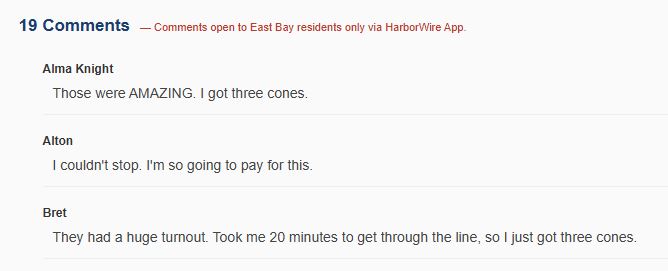
Anna and Todd are lifelong friends. That wasn’t changed. Anna gained coding skills that weren’t present in the books. She built the “HarborWire” app that the town uses like Facebook, and the things that people share on the app are displayed on the site as news feeds. I even added commenting by the townspeople “via the HarborWire App” to allow comments, but not for real site visitors.
Todd is a lot more embedded into the town than he ever was in the books. He always works, and he’s unofficially employed by almost all the businesses: “When he was called, he worked. When he showed up, he was given work.”
He also is much more of Anna’s protective honorary older brother than he was in the books. It naturally came out because they interact as a duo since Charles is not there yet, and they don’t even know about him.
It’s really the characters that make the town feel real, the news posts, and the comment banter, like Finch hawking all of Mrs. Johnson’s pies that she gives away.
A Place Where You Imagine Living In
I still think that there’s a Book Zero on the horizon, the origin story. It’s just that it’s put off for now since the site is doing the job.
The town feels like a place one could visit. It draws you in like it’s a place you want to stay, and most of all, it’s the kind of place that we, as tourists, want to end up at when we go to a small, hole-in-the-wall place.
East Bay, Maine, is a town that feels familiar to just about everyone. Maybe for different reasons, but there are parts in the story-made-website that appeal to just about any reader.